Understanding Honey Oil: A Guide to This Potent Cannabis Concentrate
What Makes Honey Oil Stand Out
When I first started exploring cannabis concentrates, the sheer variety was overwhelming. Waxes, crumbles, resins, and oils each promised something different. But one product kept coming up in conversations with experienced users and extract makers: honey oil. Its name alone suggests something pure, sticky, and potent. And after spending time with it, I can tell you that reputation is earned. Honey oil is a full spectrum extract that captures more than just THC; it brings along a rich mix of terpenes, cannabinoids, and other compounds that create a more rounded experience. Unlike some concentrates that isolate a single molecule, honey oil aims to preserve the plant's natural chemistry.
The appeal goes beyond flavor. For anyone who has chased high THC potency only to find the effects feel flat, honey oil offers a different path. It delivers a robust cannabinoid profile that includes delta-9 tetrahydrocannabinol alongside other minor cannabinoids like THCA and various cannabis terpenes. This combination is what many call the Entourage Effect, where the whole plant extract works better than any single compound alone. It is not just about getting high; it is about feeling the full spectrum of what the cannabis plant can offer.
How Honey Oil Is Made
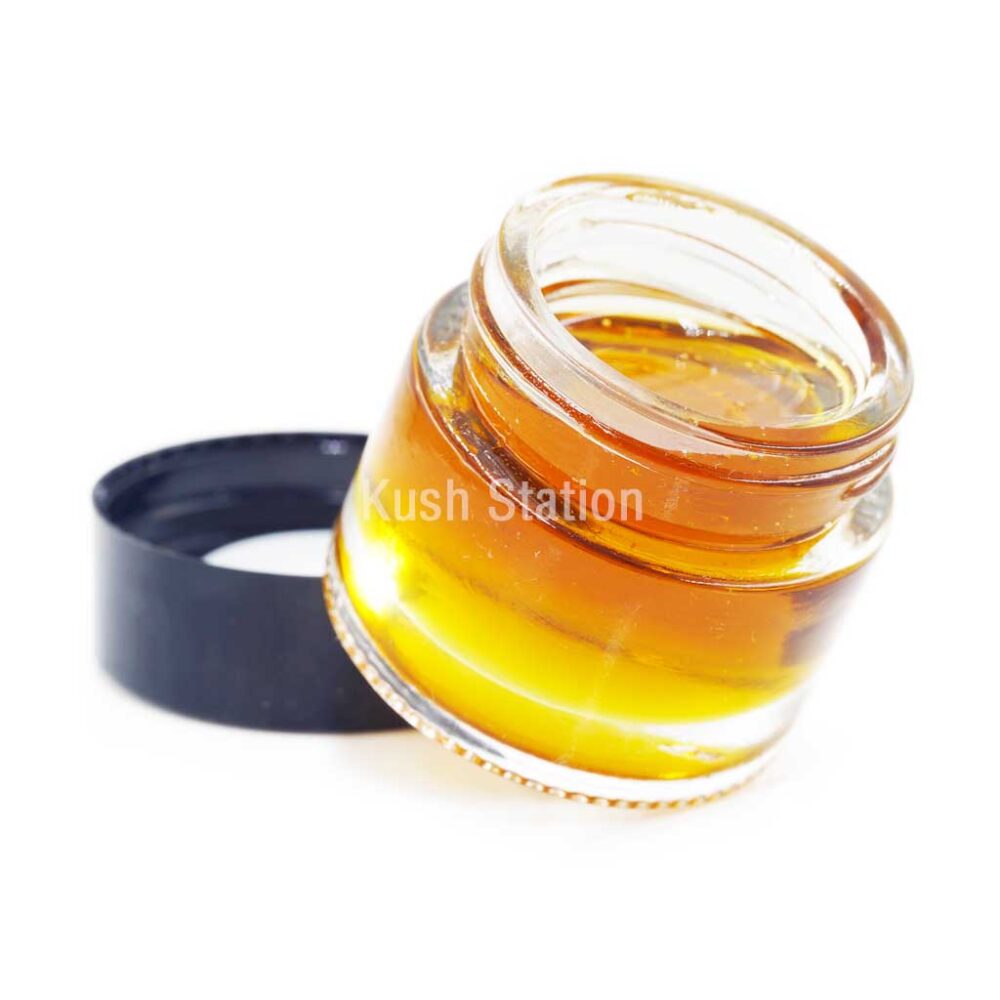
Understanding how honey oil is produced helps explain why it commands respect among connoisseurs. The best examples I have seen come from solventless extraction methods. Instead of using harsh chemicals like butane or ethanol, solventless techniques rely on mechanical separation. Heat and pressure are applied to cannabis flower or hash, allowing the resin glands to melt and drip away. This process preserves delicate terpenes that would otherwise degrade or be stripped out by solvents. The result is a thick, amber liquid that smells and tastes remarkably close to the original plant.
Some producers also make a related product called CO2 oil, which uses supercritical carbon dioxide to extract the resin. While CO2 oil can be very potent, it sometimes lacks the full spectrum profile that solventless methods capture. Honey oil made via solventless extraction tends to retain more of the volatile aroma compounds, making it a favorite for those who value flavor as much as effect. Lab testing is a critical step here. Reputable producers send their honey oil to independent labs to verify the cannabinoid profile, check for residual solvents, and confirm that the delta-9 tetrahydrocannabinol content matches what is advertised. A good lab report will also show the presence of minor cannabinoids like CBG, CBC, and THCV, which contribute to the overall experience. Always look for a Batch ID on the label; that number connects the product to its specific test results and gives you transparency about what you are consuming.
Comparing Honey Oil to Other Concentrates
Honey oil sits in a unique spot on the concentrate spectrum. It is less refined than isolates like crystalline THCA but more processed than raw kief or simple pressed hash. Its consistency falls somewhere between a runny liquid and a thick paste, depending on temperature and the specific extraction method used. Some people confuse honey oil with Rick Simpson oil, a specific type of full spectrum extract named after the medical cannabis patient who popularized it. While both aim for a complete profile, Rick Simpson oil is typically made from a particular strain bred for high THCA content and is often consumed orally rather than vaporized. Honey oil, on the other hand, is designed primarily for inhalation, whether through a dab rig, a vaporizer pen, or even a cold start dab.
Another product often mentioned alongside honey oil is Phoenix Tears. That name usually refers to a cannabis extract made from high-THCA hemp, again emphasizing the full spectrum approach. Phoenix Tears and honey oil share a similar philosophy: capture the whole plant, not just the THC. However, honey oil is more commonly associated with traditional cannabis concentrates, while Phoenix Tears is often marketed as a hemp-derived alternative. The line between them can blur, especially as hemp and cannabis regulations evolve. For practical purposes, if you see something labeled honey oil, expect a sticky, aromatic concentrate that delivers both a rich flavor and a balanced high.
How to Use Honey Oil
Using honey oil is straightforward, but a few tips can make the experience much better. The most common method is dabbing. You heat a quartz banger on your dab rig until it reaches the right temperature - usually between 500, 600°F for a flavorful hit. Let it cool for a moment, then apply a small amount of honey oil. The oil vaporizes instantly, producing a smooth, flavorful cloud. A cold start dab is an alternative that many users prefer for better taste. You place the honey oil in the banger before heating, then slowly warm the quartz until the oil begins to vaporize. This method reduces the risk of overheating and destroying sensitive terpenes.
For those who prefer portability, a vaporizer pen designed for concentrates works well. Load a small amount of honey oil onto the heating coil or into the chamber, then inhale gently. The vapor will be less dense than from a dab rig but still satisfying. Some people also add honey oil to joints or bowls, though this can be messy and may alter the burn. If you go that route, mix a tiny dab into the ground flower or spread it along the inside of a rolling paper. The oil will melt and spread as the joint burns, slowly releasing its effects.
What to Look For When Buying
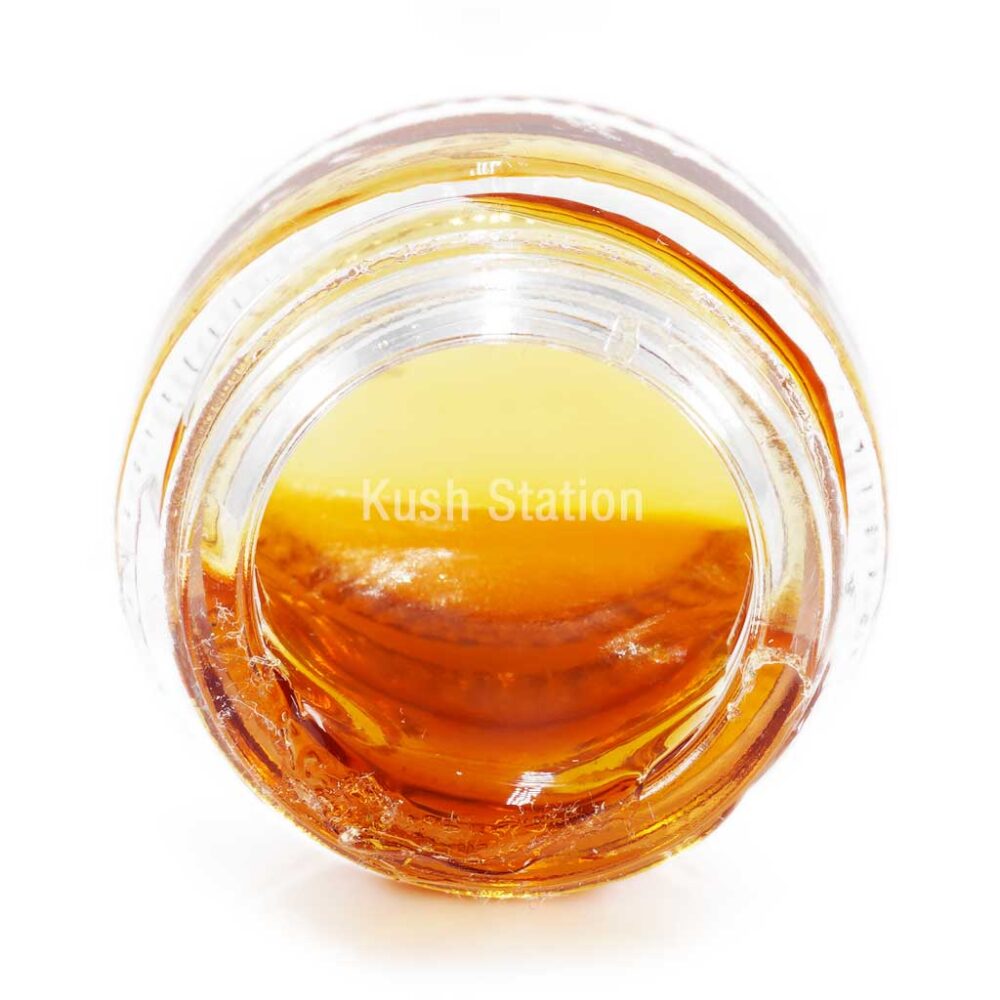
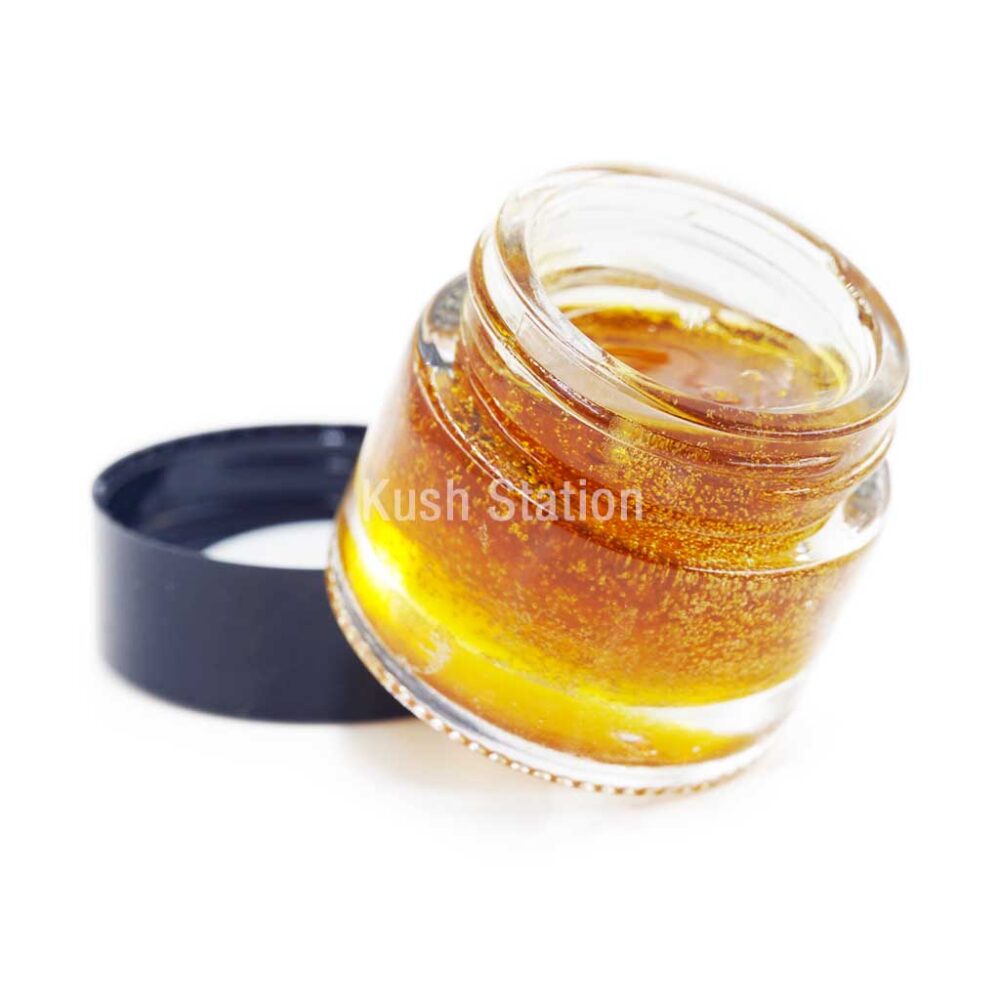
Quality honey oil should be translucent and amber, with a consistency similar to warm honey. It should smell strongly of the strain it came from - earthy, citrusy, piney, or floral, depending on the cannabis terpenes present. Avoid anything that looks cloudy, dark, or has a chemical odor. Those signs suggest poor extraction or contamination. Lab testing is non-negotiable for me. A reputable seller will provide a certificate of analysis that lists the cannabinoid profile, including THC potency, THCA content, and the presence of other cannabinoids. The report should also confirm the absence of residual solvents, pesticides, and heavy metals. The Batch ID on the packaging should match the lab report, so you can verify the results yourself. This level of transparency is becoming standard in the legal market, and it protects both the consumer and the producer.
Price is another indicator. Honey oil typically costs more per gram than flower but less than high-end isolates like live resin or rosin. If a deal seems too good to be true, it probably is. Cheap honey oil may be cut with fillers or made from low-quality starting material. Trust your nose and your source. A good producer will be proud to talk about their extraction methods and show you their lab results.
Final Thoughts on Honey Oil
Honey oil represents a middle ground in the world of cannabis concentrates. It offers the potency and flavor of a premium extract without the extreme price or specialization of rare isolates. Its full spectrum nature means you get the benefits of the Entourage Effect, with a range of cannabinoids and terpenes working together. Whether you are a seasoned dabber or just starting to explore concentrates, honey oil is worth a try. Start with a small amount, experiment with different temperatures and devices, and see how it fits into your routine. The key is to buy from sources that prioritize lab testing and transparency. That way, you know exactly what you are putting into your body, and you can enjoy the experience with confidence.